OpenBroadcaster’s Mission Statement is to develop Open Source products and services for broadcasters of any size, working in analog or digital environments. We offer Open Source broadcasting solutions to individuals, small-to-medium sized businesses and communities that allow them to distribute media over the air and via the Internet in an efficient and cost-effective manner. We aim to strengthen links between communities and cultures globally by Supporting and facilitating the formation of broadcaster networks that are capable of pooling resources, jointly managing media and sharing stories.
Our History
Founded on the principles of openness, reliability, and community empowerment, OpenBroadcaster began as a grassroots project dedicated to making broadcast automation accessible to all. From our early days, we recognized the potential of free and open-source software (FOSS) to transform the way media organizations operate. Over the years, we have expanded our offerings to include a robust suite of software and hardware solutions, all designed to deliver exceptional stability and dependability.
Our commitment to open standards is at the core of everything we do. All our solutions are released under the AGPL3 Open Source License, allowing broadcasters of any size to operate with confidence, knowing they have full control and transparency. Managed easily through a web-based portal compatible with all modern HTML5 browsers, our platform also delivers critical CAP emergency messaging services and seamless upgrades to meet evolving needs.
Our sustainable business model is built on the development of FOSS, with ongoing revenue from customization, specialized developer tools, and comprehensive technical Support services. As we continue to grow, OpenBroadcaster remains dedicated to empowering broadcasters through innovation, collaboration, and the spirit of Open Source.
Broadcast Experience
OpenBroadcaster’s team brings over 25 years of hands-on experience in broadcast and telecommunications, marked by innovation and leadership. Key milestones in our journey include:
-
1996 Tagishtel Full duplex analog radio telephony connecting Tagish to Whitehorse, 120 km away.
-
1997 Launched CFET 106.7 FM, the Yukon’s first commercial FM station in Tagish.
-
1998 Established a community broadband microwave link, connecting Whitehorse office to Tagish and Marsh Lake Firehalls.
-
2001 Government of Canada tested a prototype of OpenBroadcaster on CFET Radio 106.7 FM. Demonstrated flexibility and capacity for remote, unattended radio broadcast delivery via Internet.
-
2002 Contributed to Environment Canada’s Meteorological Service of Canada (MSC) Weather Alarm™ project.
-
2007 Profiled in international media for pioneering the use of low-cost Barix equipment for priority emergency messaging.
-
2012 CFET Radio pilot project with the Yukon Government Emergency Measures Organization, evaluating satellite-based unattended CAP emergency alerting.
-
2013 Contributed to JTFN’s Operation Nanook in Whitehorse.
-
2015 Integrated Pelmorex Alert Ready with standalone open-source CAP software for the broadcast sector.
-
2016 Launched embedded streaming player and the OpenBroadcaster Appliance.
-
2017 Added Livewire RTP AoIP Support for digital AXIA boards/devices—achieving 100% digital signal flow.
-
2018 Released the Sound Exchange reporting module, complete with statistics and graphs. Launched Pyrate IMG on a low-cost Raspberry Pi.
-
2019 Introduced Support for Indigenous languages in unattended audio emergency alerts with a framework for translating menus and help screens.
-
2020 Developed embed codes for media galleries in CMS platforms like Drupal and WordPress; documented a public API.
-
2021 Added album art and metadata updating with acoustic fingerprinting; Polly AI voices integrated for alerting.
-
2022 Launched API v2 with RESTful implementation; began automated testing using CodeCeption and the OB CLI tool.
-
2023 Added Pipewire Support with Interpipe, simplifying alert pipelines and Supporting ISO-639-3 languages; improved OB CLI tool output.
-
2024 Introduced in-app voice track Support with an inline recorder, PDF document Support, extended custom metadata types, and on-demand HLS streaming.
-
2025 Enhancements to fade out at end of show\playlist at the top of the hour and removal of duplicates from dynamic playlists.
See our Change Log for most recent developments
Project Archive
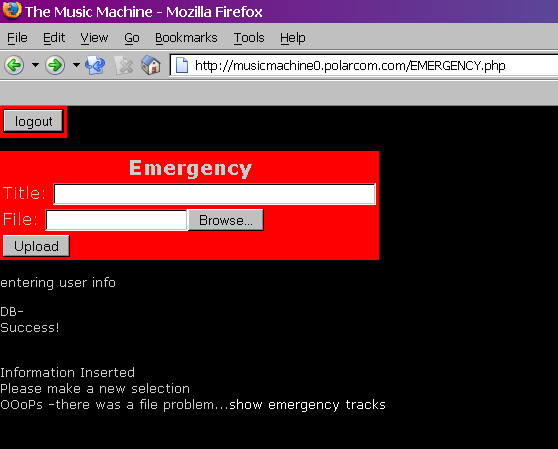
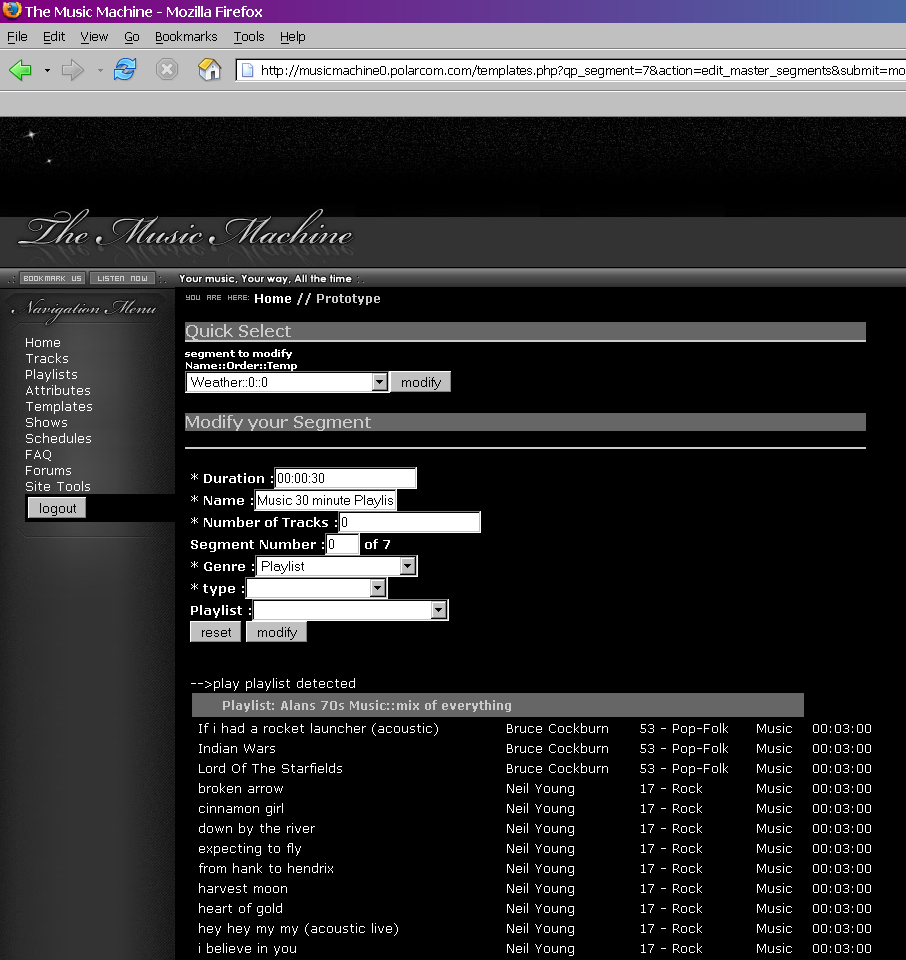
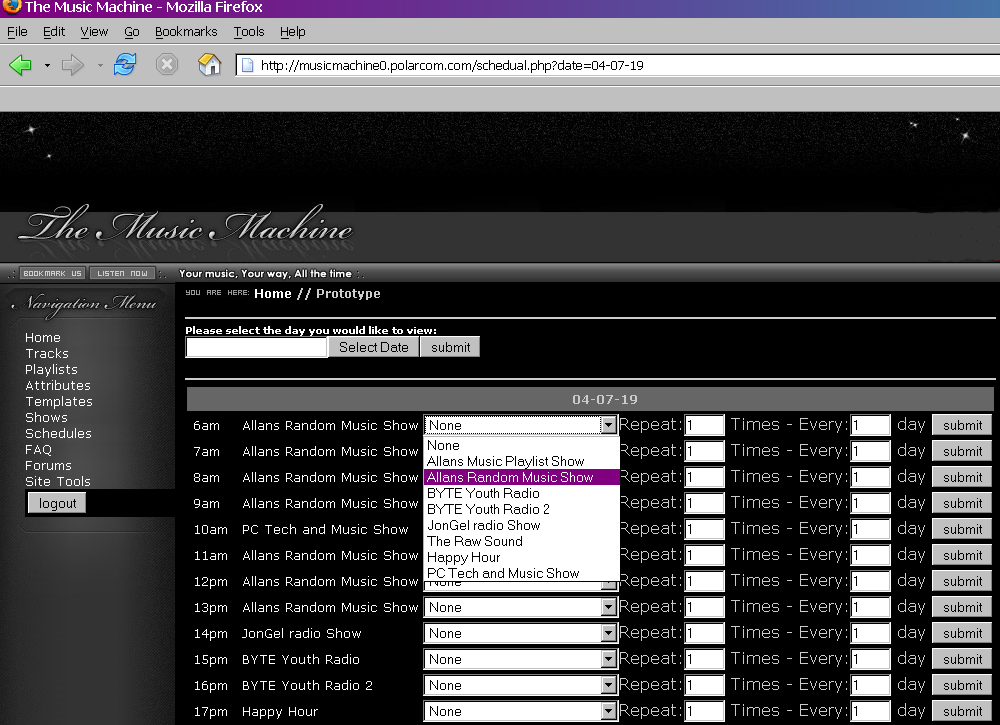
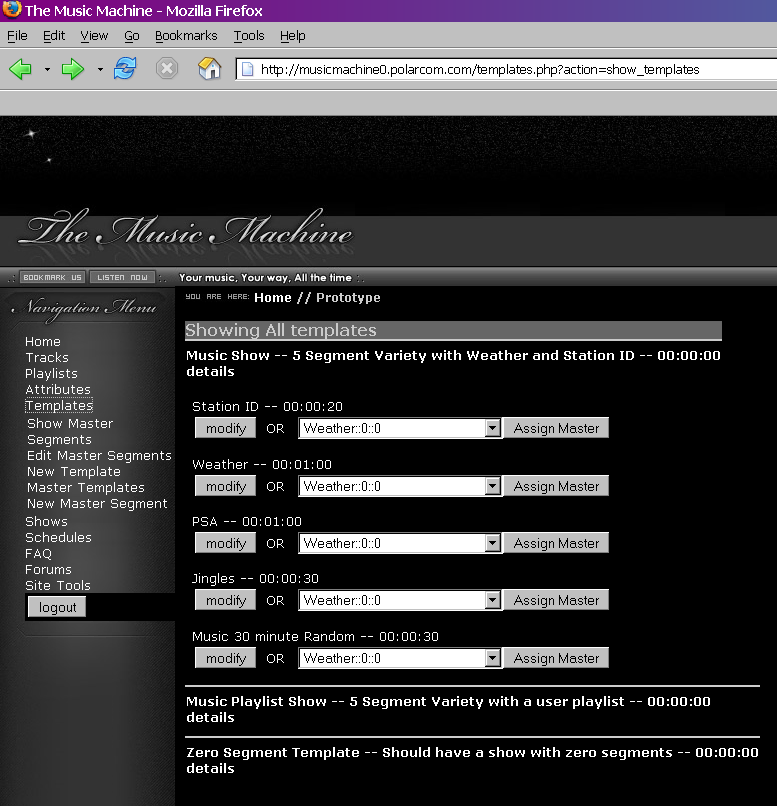
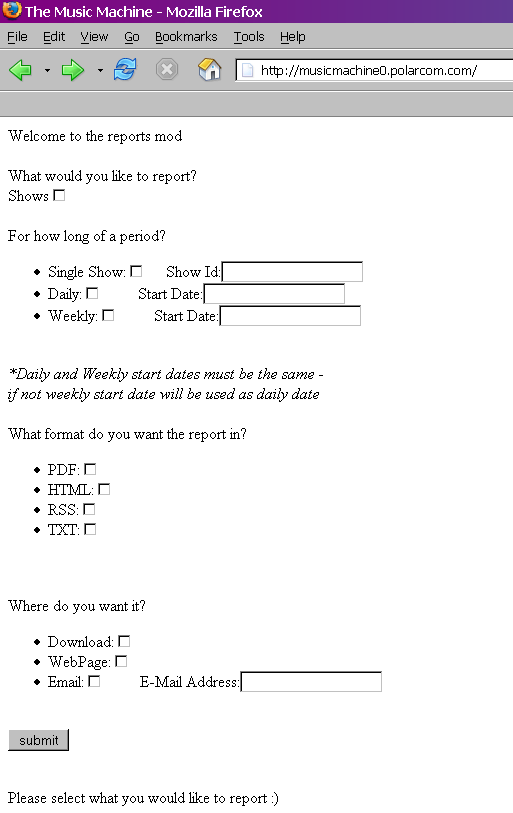
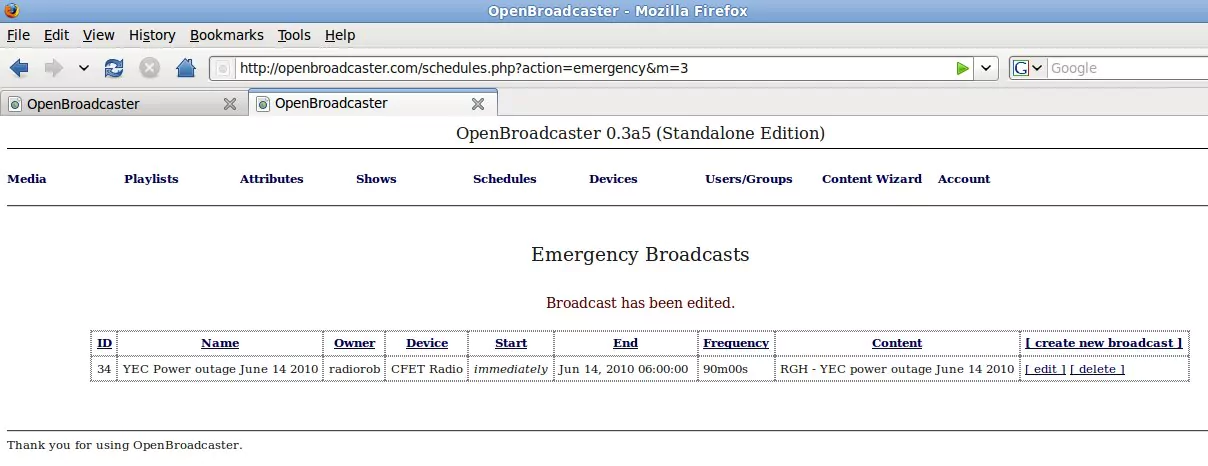
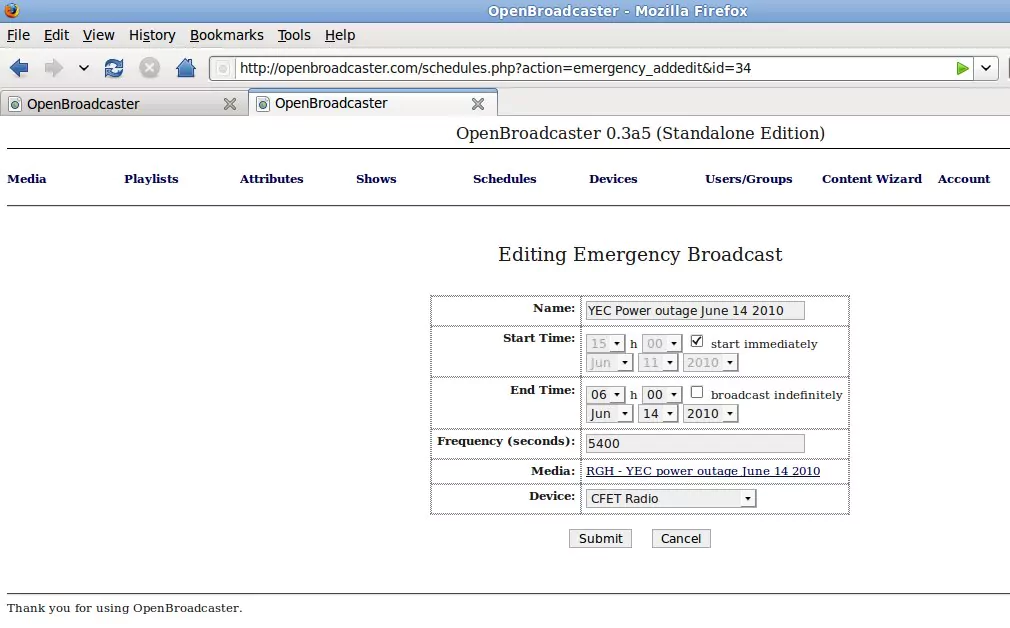
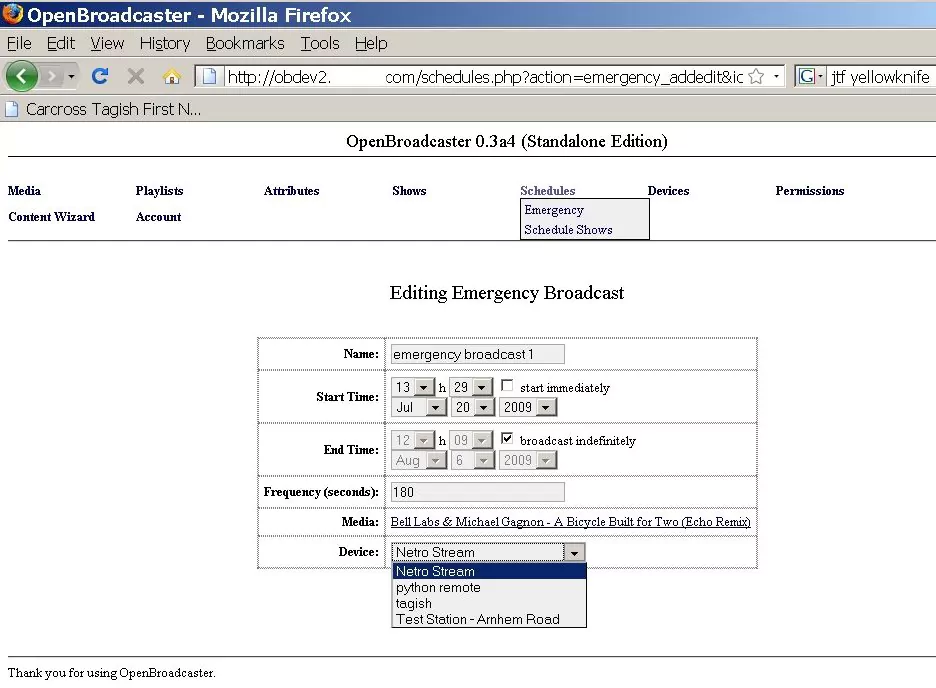
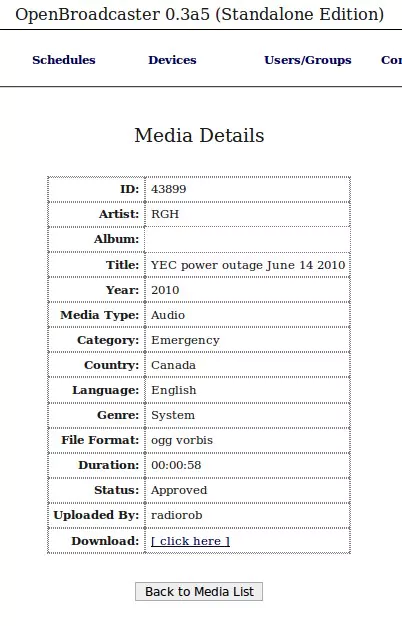
OpenBroadcaster Ver 1 Series 2002 – 2005
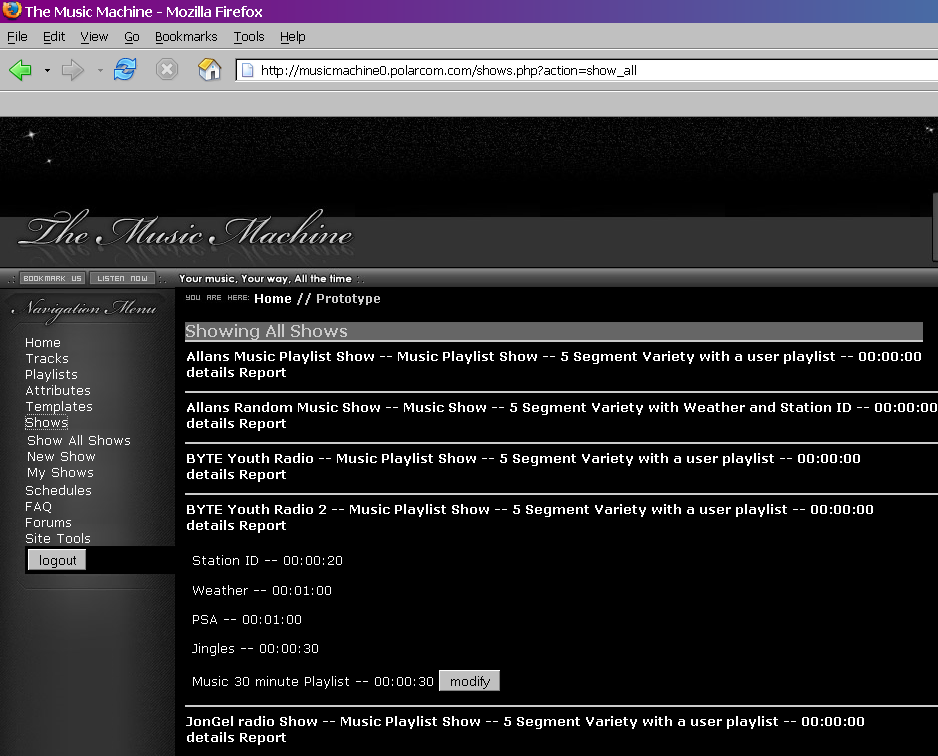
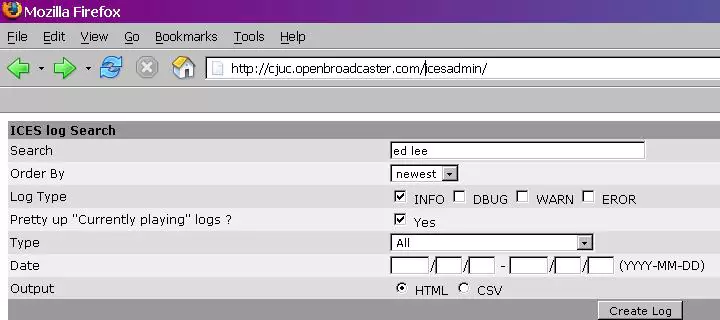
OpenBroadcaster Ver 2 Series 2005 – 2008
Joomla Plugin managing multiple devices with video Support
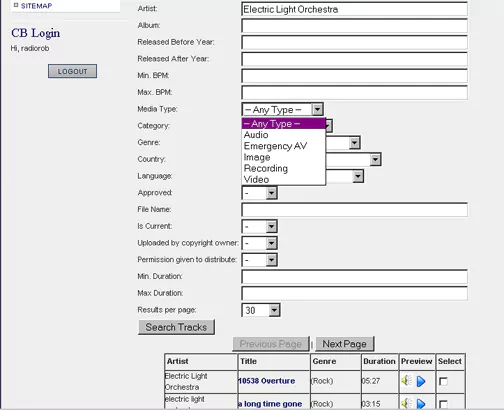
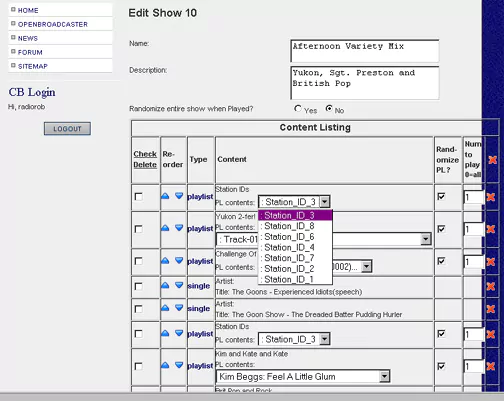
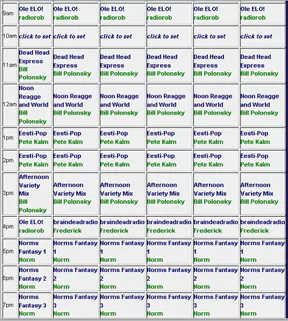
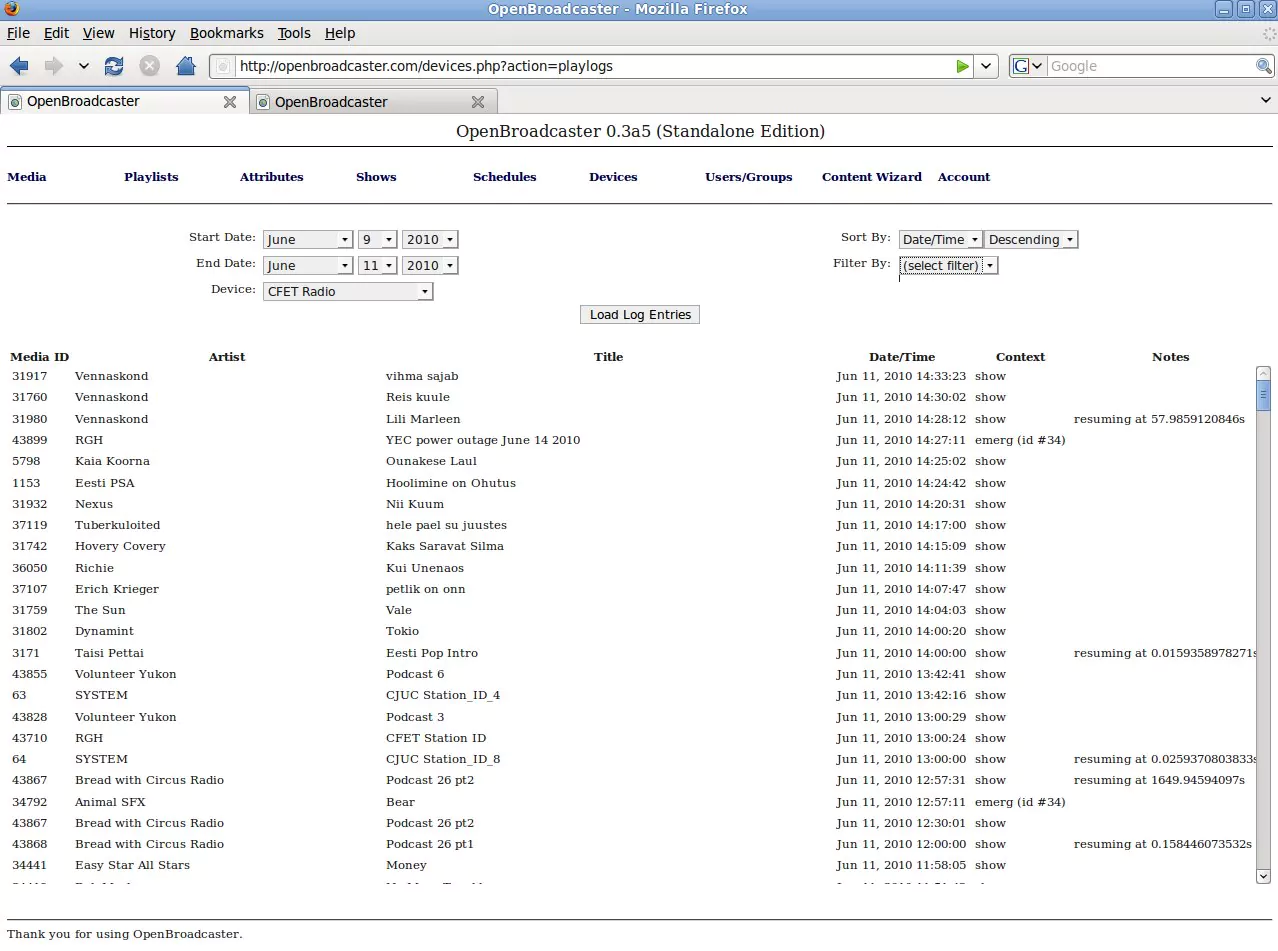
OpenBroadcaster Ver 3 Series 2009 – 2011
AJAX, jQuery, JSON MVC
OpenBroadcaster Ver 4 Series 2012 – 2020
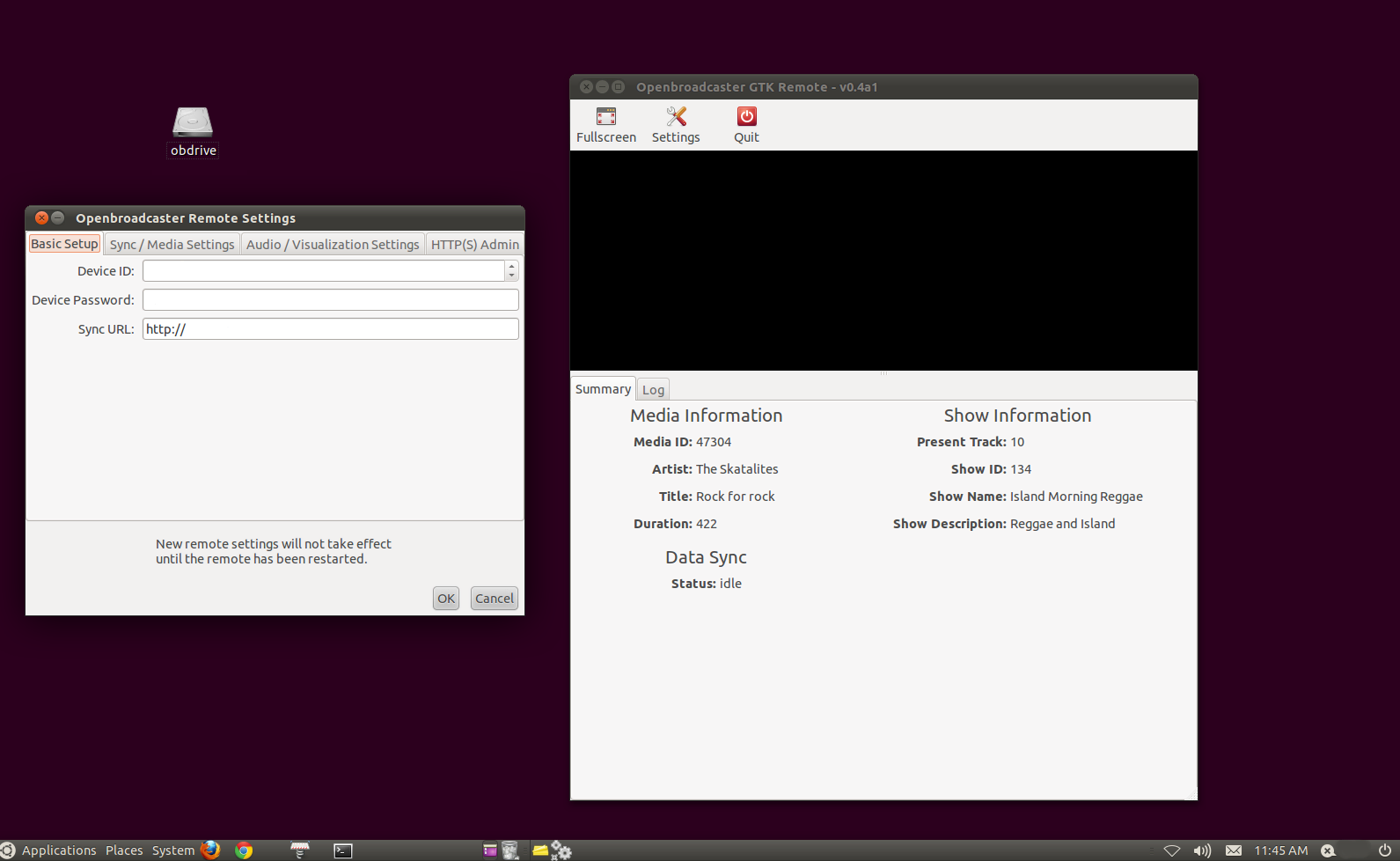
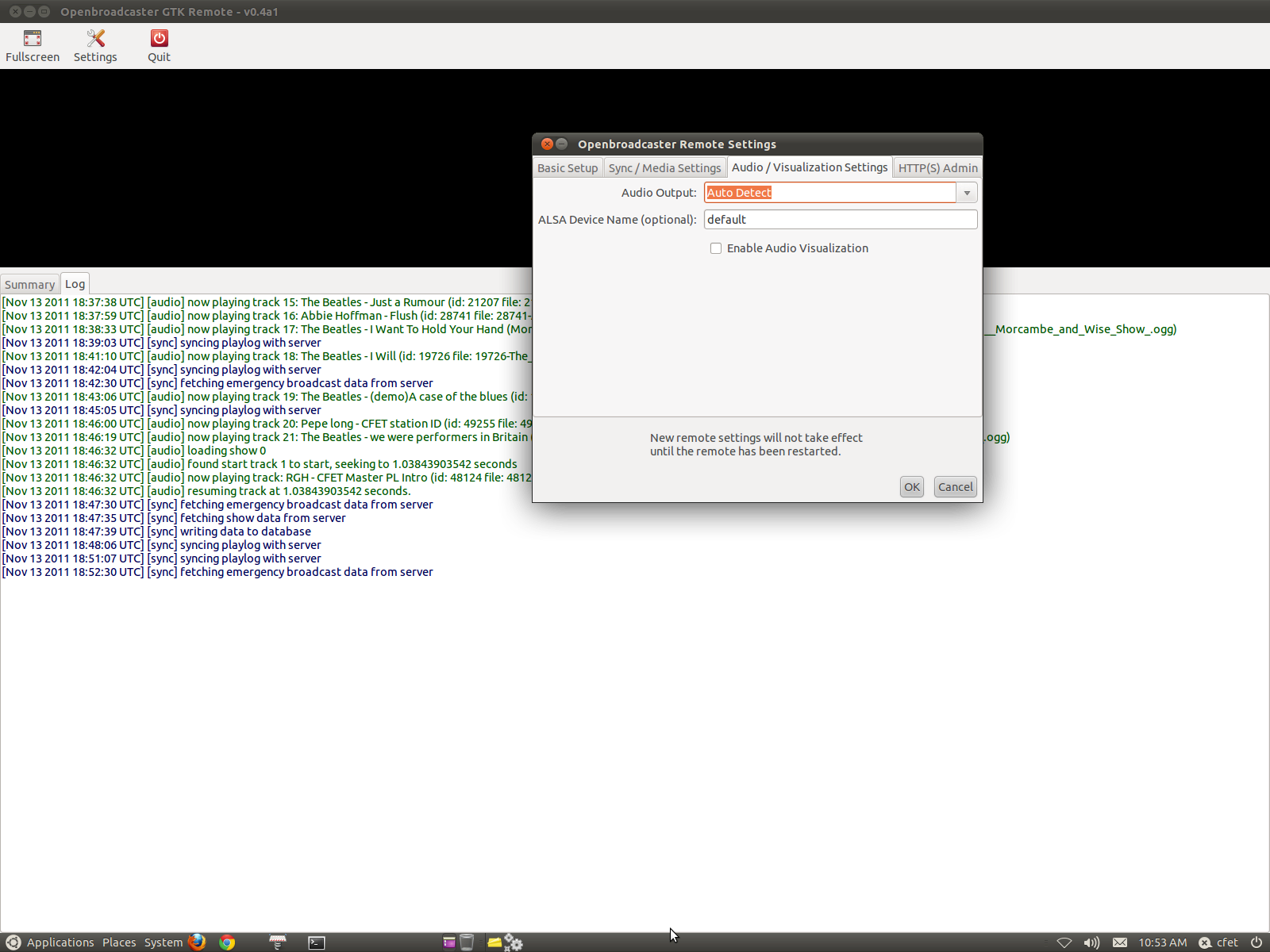
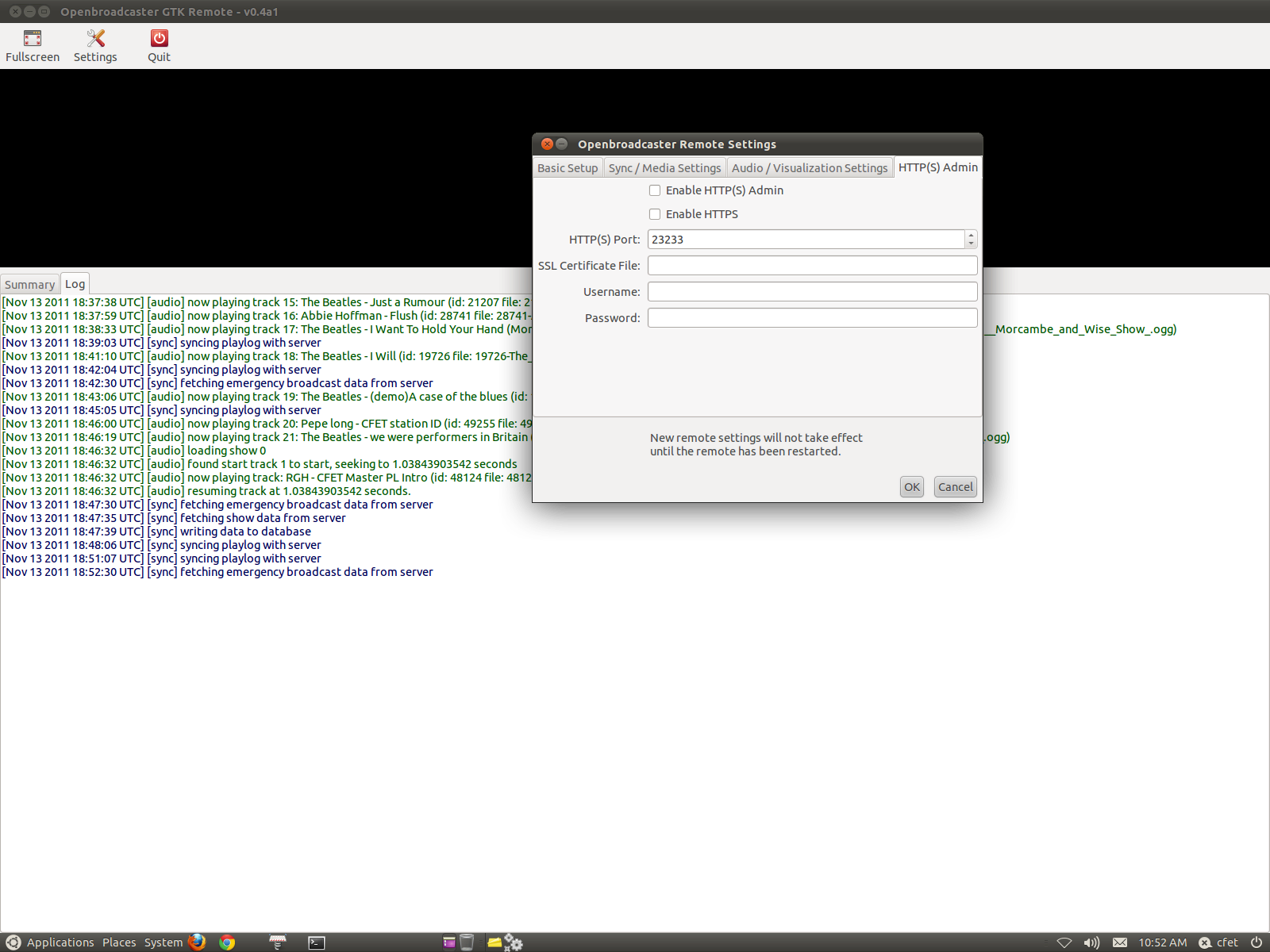
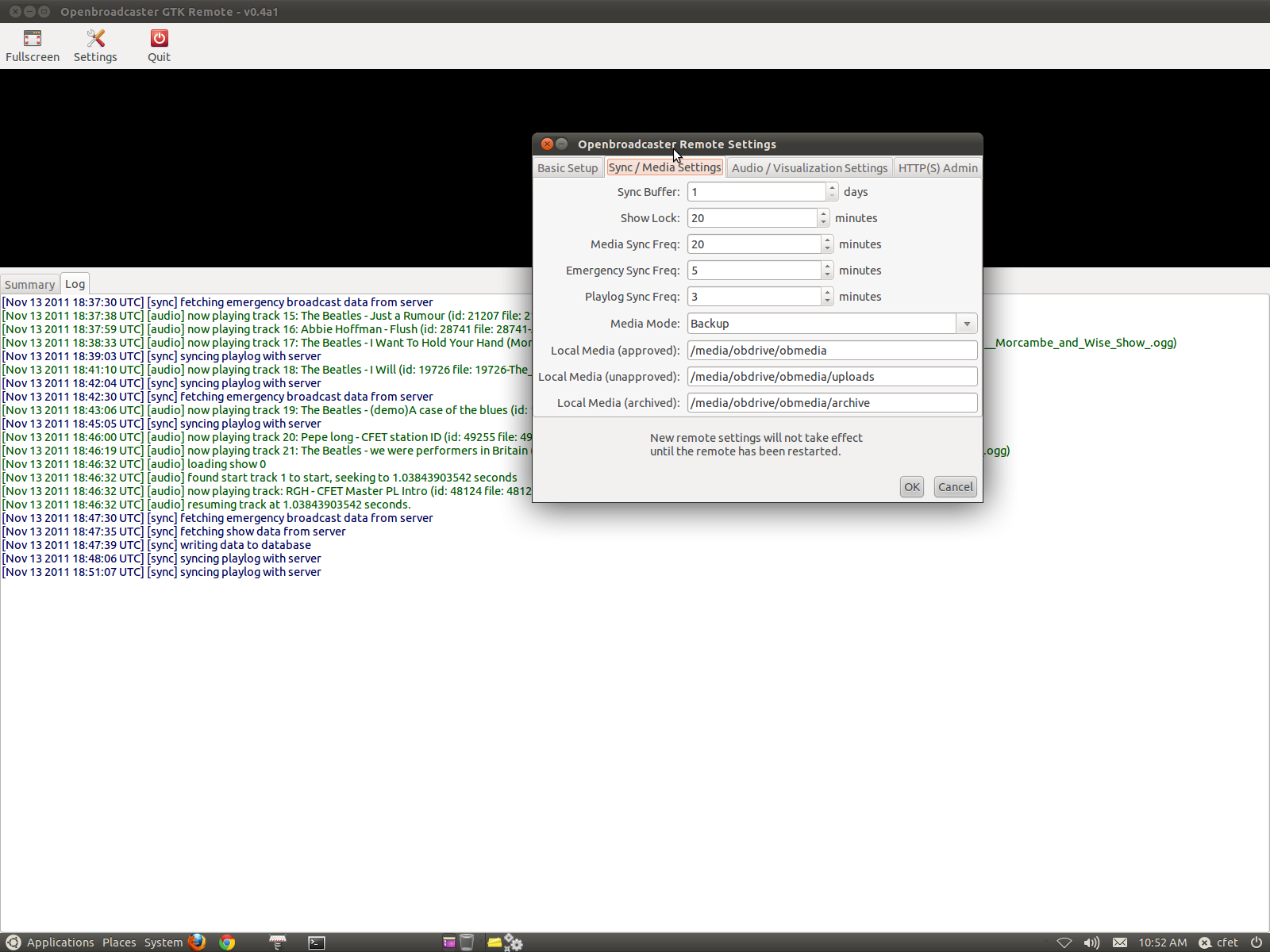
GTK Desktop Player written in Python