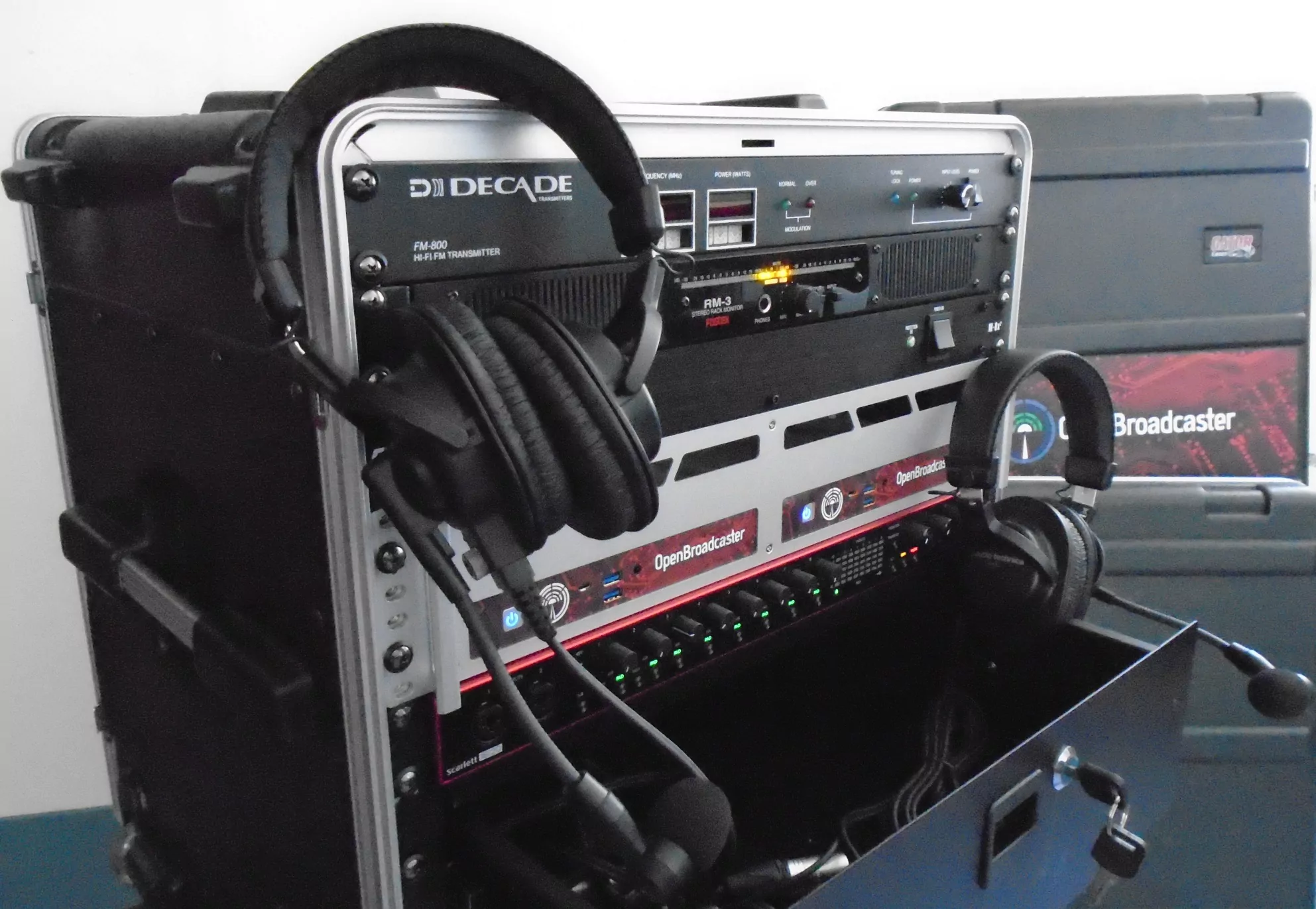

Learn how to setup an indigenous radio station network in Canada and abroad. It is super easy with minimal effort to get started once you learn the rules and regulations. We have the technology and expertise to get your station on–air! Do you want to start an LPFM indigenous radio station in your community? With the right equipment and know–how, it is easy to do! We offer the tools and expertise to help you get your station up and running. Our team of experts will guide you through the steps necessary to get your station on-air. We will provide you with information on the rules and regulations, help you to select the right equipment and supplies, and provide Support during the setup process. With our Support and guidance, you can get your station on-air quickly and efficiently. We have the experience and technology to help you create an indigenous radio network in Canada and even internationally. From the initial setup to the launch of your station, we are here to help you every step of the way.
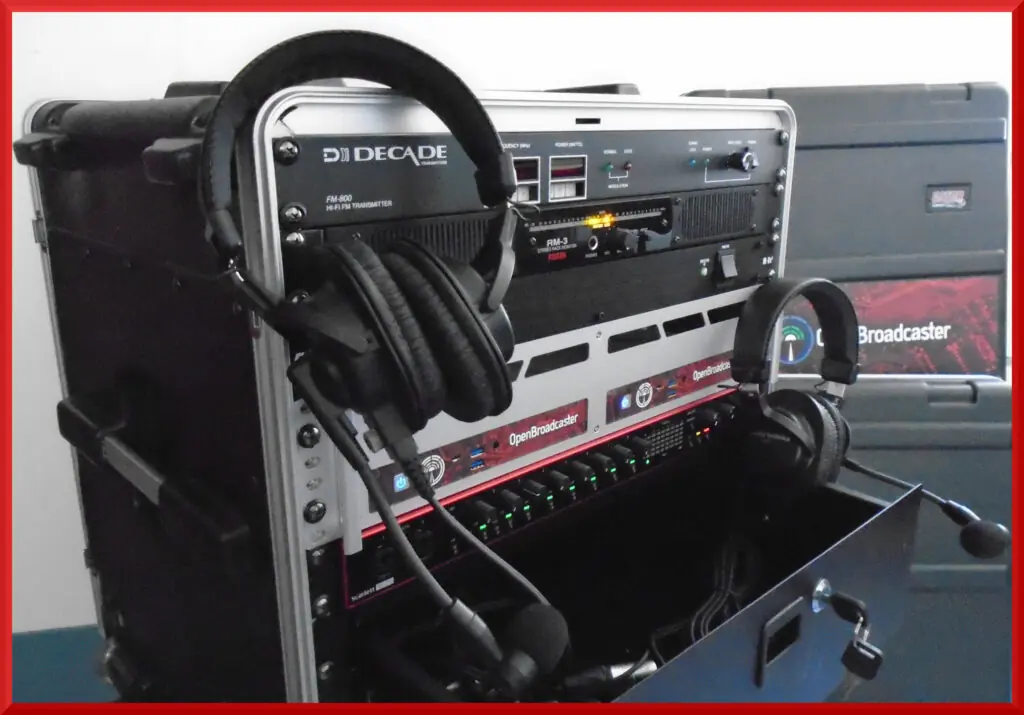
Radio Station in a Box RIAB
Navigating Canadian Broadcast Licensing: A Quick Overview
Broadcast licensing in Canada is managed by multiple government agencies, each with distinct roles and processes. If you’re planning to launch a radio or TV station, understanding the steps with both the Canadian Radio-television and Telecommunications Commission (CRTC) and Innovation, Science, and Economic Development Canada (ISED) is essential for compliance and a smooth application process.
Key Steps in Canadian Broadcast Licensing
-
ISED Application: All broadcasters, including those under the Type A Exempt category, must first apply for a Broadcasting Certificate via ISED. This ensures that your technical and equipment setup meets Canadian standards.
-
CRTC Notification: Once your application is submitted, ISED will notify the CRTC. You’ll then need to file the appropriate registration form directly with the CRTC.
-
Documentation: Applications require technical briefs, including service contours (coverage maps). ISED offers a self-serve Coverage Prediction tool to help with this requirement.
-
Special Documents: For FM broadcasts, be sure to consult BPR-3 for power-specific requirements—this is mandatory for both Low Power (LPFM) and Very Low Power (VLPFM) broadcasters.
Important Considerations
-
Dual Registration: You must register separately with both ISED and the CRTC; their platforms have unique workflows and limited Support.
-
Navigation Canada: In certain cases, additional clearance might be needed for transmission locations.
-
Expert Submission: As specified by BPR-1, only qualified personnel should prepare your application.
Approval Timelines & Costs
-
Type A Indigenous (Exempt): 30–90 days; ~$2,495
-
Type B Indigenous (LPFM/VLPFM): 12–36 months; $5,000–$25,000
-
Type B Indigenous (over 50 watts): 12–36 months; $25,000+
Why Choose Us?
Navigating Canadian broadcast licensing can be challenging. Our experienced team can guide you through every step for a compliant and successful application, whether you are a first-time broadcaster or an experienced organization.
Need Help?
-
Assistance with ISED forms and CRTC submissions
-
Guidance on engineering briefs, coverage maps, and technical standards
-
Support understanding approval schedules and cost estimates
-
Equipment recommendations and certified solutions
We provide affordable, scalable solutions for community radio and TV. Subscribe to our Newsletter for the latest news and updates. Contact Us today to learn more about our services and get started!
